We ship from Australia — Australia wide
Clinical Research — Falls Prevention

A 46% reduction in falls, sustained beyond treatment.

Two long-term controlled trials on Low-Intensity Vibration in community-dwelling elderly women demonstrated significant reductions in fall rate — and lasting improvements in balance and muscle strength up to a year after therapy stopped.

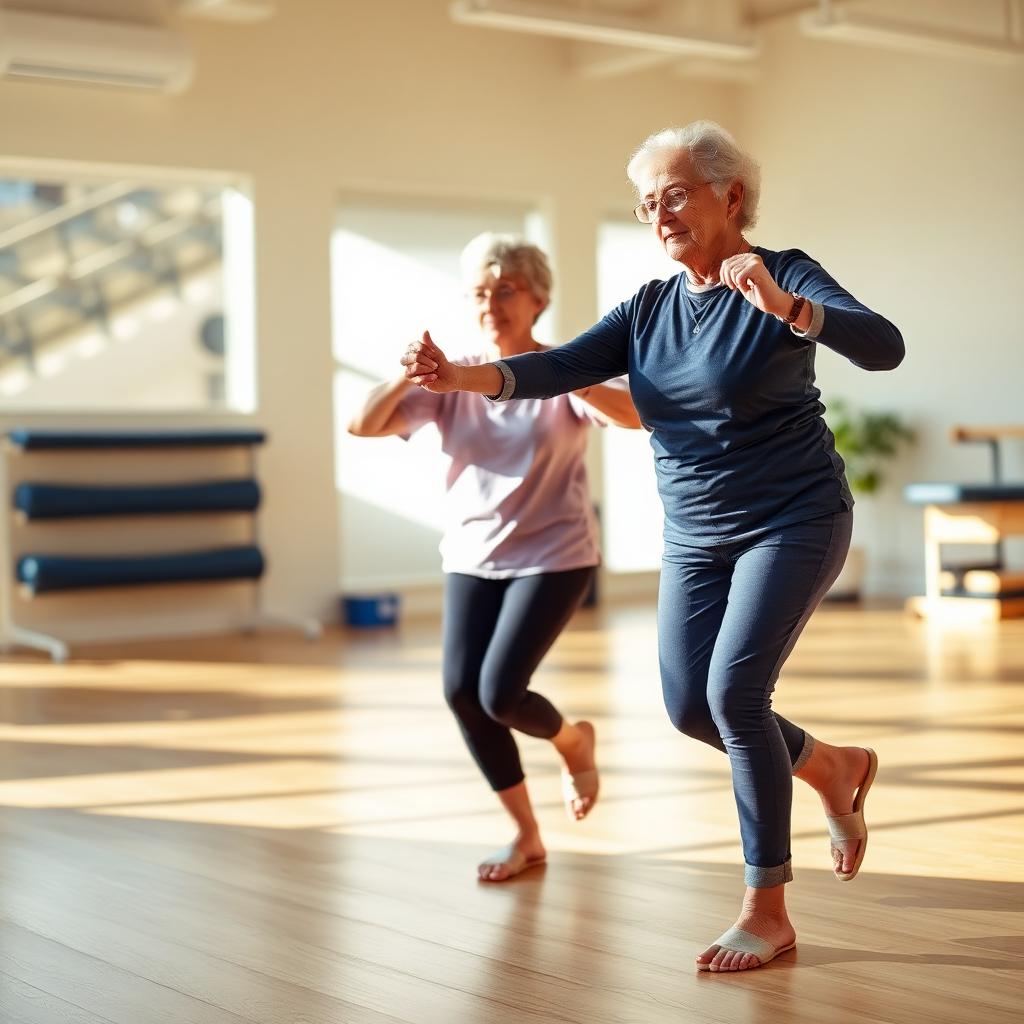
Older women practising balance and postural exercises to prevent falls and fractures
Falls prevention in older adults

One in three Australians over 65 falls each year.

Falls are the leading cause of hospitalised injury in older Australians and the primary trigger for hip fractures, loss of independence and admission to aged care. Low-Intensity Vibration therapy strengthens the neuromuscular system — improving balance, postural stability, leg strength and reaction time — proven risk factors that a home-based, 10-minute daily ritual can measurably improve.

Leung, et al. 2014

Effects of 18-month low-magnitude high-frequency vibration on fall rate and fracture risks in 710 community elderly — a cluster-randomised controlled trial

This study evaluated a low-magnitude high-frequency vibration (LMHFV) program to reduce falls in older women. After 18 months, the incidence rate of falls was 46% lower in the vibration group than in the control group.

Population
710 healthy women aged 60+
Groups
364 LMHFV, 310 control
Method
5 × 20 minutes per week for 18 months
Control
Sedentary lifestyle

Cheung, et al. 2016

Improvement in muscle performance after one-year cessation of low-magnitude high-frequency vibration in community elderly

A follow-up investigation into whether muscle performance benefits were retained one year after stopping LMHFV. The benefits for balancing ability, muscle strength and risk of falling were retained.

Population
59 women aged 60+ from Leung 2014
Groups
34 vibration, 25 control
Method
Follow-up at 12 months post-cessation

Results at a glance

Primary outcome: falls. Secondary outcomes: knee extensor strength, balancing ability, bone mineral density (BMD) and quality of life.

Falls
46% fewer at 18 & 30 months
Balancing ability
Improved & retained
Muscle strength
Improved & retained
Bone mineral density
Sustained benefit

Conclusion: LIV therapy delivered 46% fewer falls at 18 and 30 months. Muscle strength and balance advantages were maintained after 12 months of cessation.

Discuss the research with our team.

Our Australian clinical consultants can walk you through the evidence and help you decide whether Marodyne LiV is right for you or your patient.

Contact us
Frequently asked

Falls prevention questions.

How much can Low-Intensity Vibration reduce the risk of falls?
The Leung 2014 cluster-randomised controlled trial in 710 community-dwelling women aged 60+ recorded a 46% lower incidence rate of falls in the LiV group compared with the control group after 18 months of therapy.
Do the benefits last after stopping LiV therapy?
Yes. The Cheung 2016 follow-up study found that improvements in balancing ability, knee-extensor muscle strength and falls risk were retained one year after participants stopped using the vibration platform.
Why are falls such a serious problem for older Australians?
Falls are the leading cause of hospitalised injury in Australians aged 65+ and the primary trigger for hip fractures, loss of independence and admission to residential aged care. Around one in three older Australians experiences a fall each year.
How does Marodyne LiV help prevent falls?
LiV therapy stimulates the neuromuscular system through low-magnitude 30 Hz vibration, improving proprioception, postural stability, leg strength and reaction time — the modifiable risk factors most strongly linked to falls in older adults.
Is the therapy safe for frail or elderly users?
Yes. Marodyne LiV operates at 0.4g acceleration, well within ISO 2631 safe daily exposure limits. Trials in adults aged 60+ have reported excellent safety and adherence over 12- to 18-month periods.